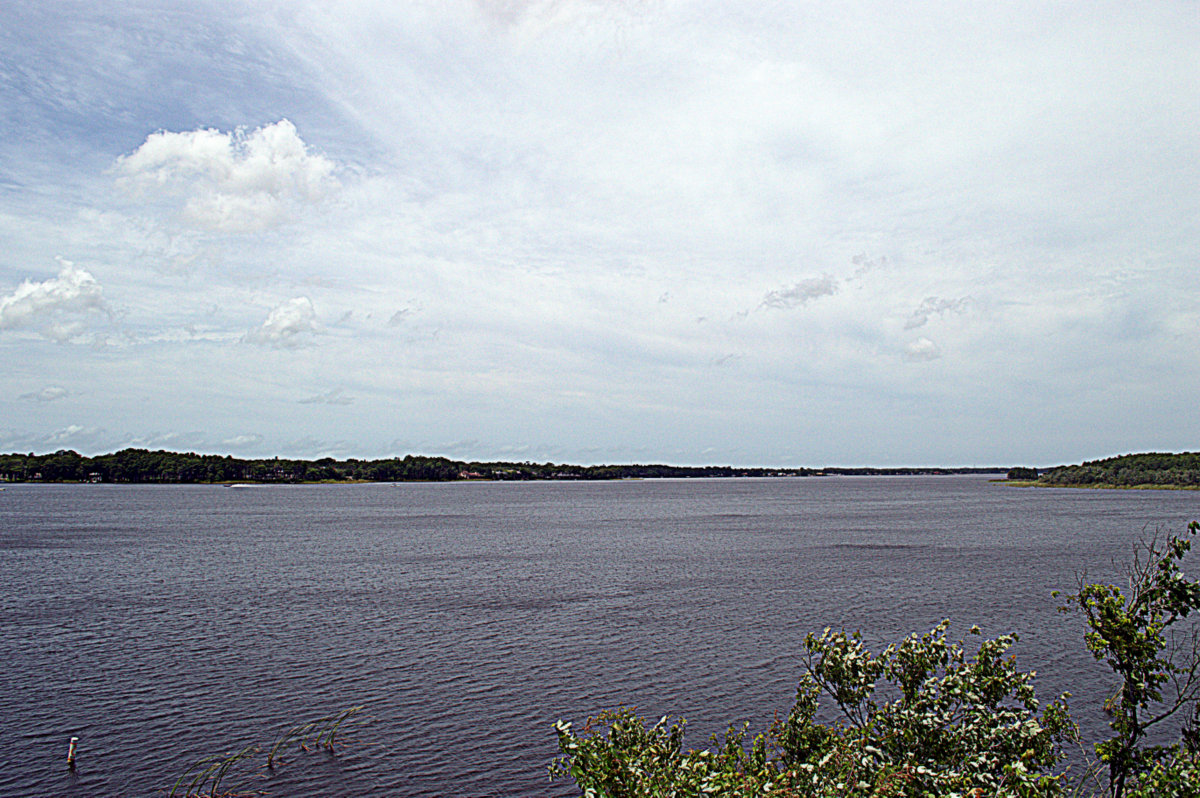
Pinellas County commissioners voted unanimously on Aug. 11 to back a federal study of the aging flood control structure on Lake Tarpon, the county's largest freshwater lake, after storm surge from Hurricanes Idalia and Debby left the county unable to release floodwater from the lake for more than 24 hours.
The 2,534-acre lake sits in unincorporated Pinellas north of Clearwater, and its 52-square-mile watershed drains toward communities throughout the northern part of the county. Homes, roads and stormwater systems in those areas depend on the structure to keep the lake from backing up during heavy rain and storm surge events.
The commission authorized Chairman Dave Eggers to sign a letter of community support for the U.S. Army Corps of Engineers' feasibility study of the Lake Tarpon Outfall Structure, which could lead to upgrades or full replacement of the 57-year-old system. The Southwest Florida Water Management District has committed approximately $1.5 million in matching funds, according to the county's agenda record.
The letter costs taxpayers nothing. What the project still needs is a federal share of funding, which will require both congressional authorization and appropriations before the Corps can begin work.
Why the structure matters
The Army Corps built the outfall structure, designated S-551, in 1969 as part of the Four River Basins, Florida Project. It is the lake's sole surface water outlet to Old Tampa Bay, releasing water by gravity through a 3.5-mile canal to keep lake levels down and salt water out. The water management district has operated and maintained it since 1974.
The problem: the gravity-flow design depends on the lake sitting higher than the bay. Higher tidal elevations and more frequent coastal storms have shrunk that elevation gap, weakening the structure's ability to drain the lake when it matters most. Pinellas County Public Works Director Kelli Hammer Levy told the Tampa Bay Beacons the study is essential to ensuring the lake continues to receive the flood protection and freshwater management the structure has provided since 1969.
Storm surge from Hurricane Idalia in 2023 and Hurricane Debby in 2024 forced extended gate closures and blocked floodwater release for more than a full day, according to Eggers' letter. When those gates stay shut, the lake rises and surrounding neighborhoods have nowhere for stormwater to go.
Clearwater residents face a parallel challenge: the city's North Beach stormwater system was also designed for lower tidal elevations and can no longer drain by gravity alone due to rising seas.
"The next step is to garner community and congressional support to allocate funding," Hammer Levy said.
What comes next
The Army Corps has already completed a Section 216 preliminary assessment concluding that changed physical conditions warrant a fuller feasibility evaluation. The Corps is prepared to move forward once federal funding is secured.
The standard Corps process requires two separate congressional authorizations: one to fund the feasibility study itself, and a second to fund any construction that results from it. Both phases also require appropriations. No timeline has been set for congressional action, and the process could take years.
The county's Legistar record notes that "given the age and deterioration of structure S-551, it is important that SWFWMD and USACE replace this critical infrastructure."
In his letter, Eggers wrote that the challenges are expected to intensify and that a comprehensive study is needed to maintain flood protection, safeguard nearby communities and preserve Lake Tarpon as a freshwater resource. The lake ranks among Florida's top 10 bass fisheries.
Residents who want to weigh in can contact their congressional representatives to support federal funding for the study.




.jpg)