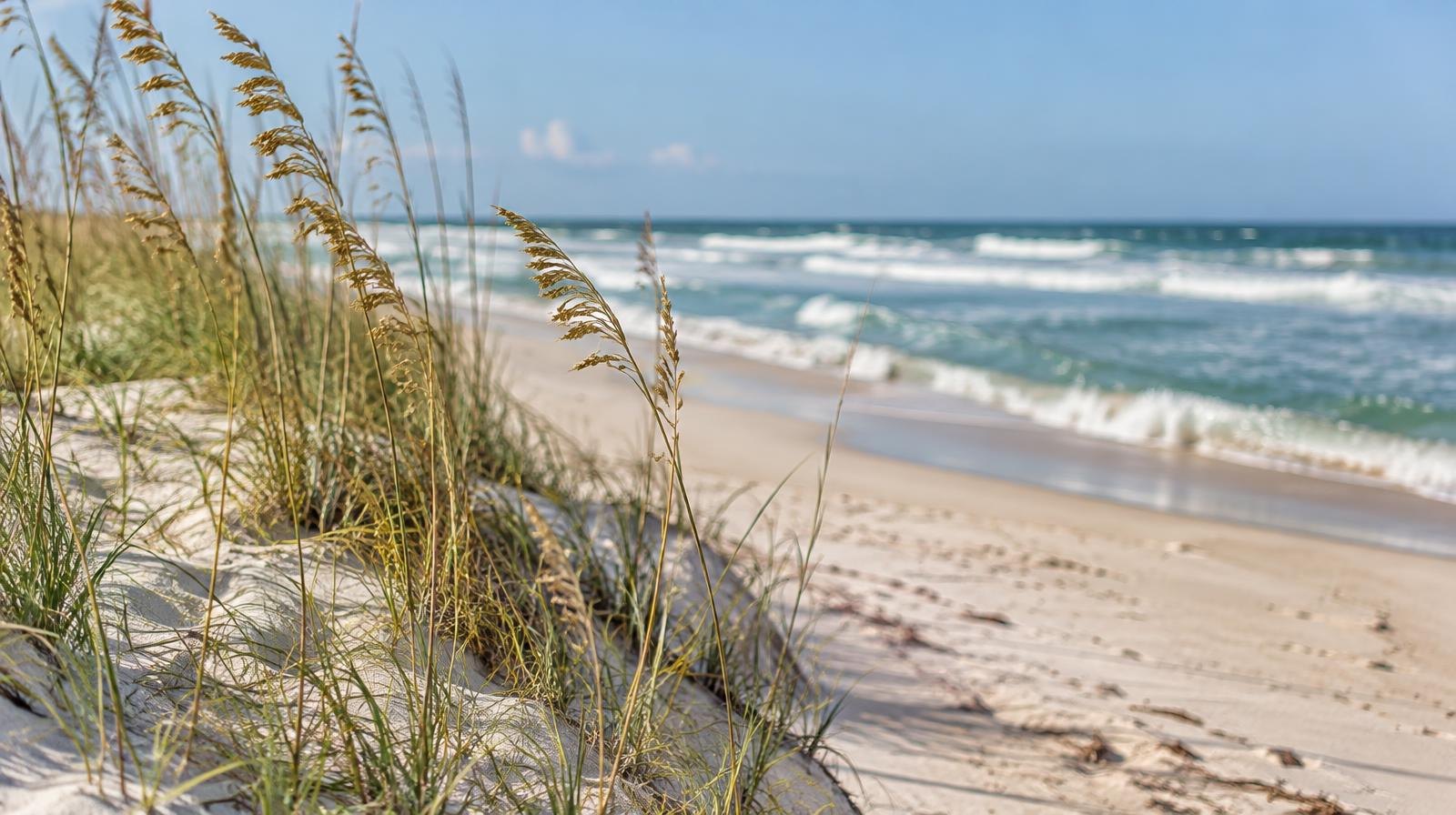
A $125.7 million beach nourishment project completed along Pinellas County's Gulf Coast earlier this year faced its first hurricane-related wave action Saturday, Oct. 10, as Hurricane Isaias brought rough surf and some erosion to local beaches.
The Category 2 hurricane made landfall near Destin in the Florida Panhandle at approximately 9:30 p.m. Friday, Oct. 9, with maximum sustained winds of 105 mph. The Tampa Bay area escaped the storm's worst conditions.
At Indian Rocks Beach, waves washed away some sand early Saturday, but the storm did not place significant stress on the newly nourished shoreline, according to Spectrum Bay News 9.
Pinellas County officials said the added sand provides a protective buffer between storm-driven waves and coastal infrastructure.
"That's what beach nourishment is for, is to have a buffer so that when we get that wave action from storms, it's pulling off that sand instead of eroding back into our infrastructure," Ashley J. Giovannetti, communications projects coordinator for Pinellas County, told Bay News 9.
Project restored miles of storm-damaged beaches
The nourishment project, approved by county commissioners in June 2025, was completed Feb. 11, 2026.
The $125.7 million effort restored portions of Sand Key, Treasure Island and Upham Beach, including beaches in Clearwater, Belleair Beach, Indian Rocks Beach, Indian Shores, Redington Shores and North Redington Beach.
Crews dredged sand from offshore and inlet sources, including Egmont Shoal, Pass-a-Grille, Blind Pass and John's Pass, to rebuild beaches and protective dunes damaged by previous hurricanes.
The county financed the project primarily through its Tourist Development Tax, which is collected from visitors staying in hotels and other short-term accommodations. Florida provided $14.2 million in state grant reimbursement, according to Pinellas County's project records.
The project proceeded without federal funding after a longstanding disagreement between Pinellas County and the U.S. Army Corps of Engineers over beachfront property easements.
The dispute delayed previously planned nourishment work, leaving portions of the coastline vulnerable when Hurricane Helene struck in September 2024.
At the project's completion ceremony in February, Commissioner Kathleen Peters said additional sand and dunes could have reduced the damage caused by Helene.
"If we had this infrastructure here when Helene came, the flooding damage would have been significantly less," Peters said.
Federal agreement clears path for future projects
Pinellas County and the Army Corps signed an amended project cooperation agreement May 29, ending years of disagreement over property access requirements.
The agreement creates new opportunities for federal participation in future nourishment projects. Previous federally supported projects received approximately 65% of eligible costs from the Army Corps.
Under the revised rules, easements no longer must be permanent, and certain public access requirements can be addressed through local ordinances.
However, construction easements remain necessary for affected beachfront properties.
As of May, approximately 70% of properties in the Sand Key project area had signed and recorded compliant easements, according to Pinellas County.
The county continues working with property owners to secure the remaining permissions for future nourishment.
In August, commissioners also approved a separate $54.5 million agreement for Sand Key beach and dune construction, with funding divided between the Florida Department of Environmental Protection and county tourist tax revenue, according to the St. Pete Catalyst.
Dunes remain critical to coastal protection
Although Isaias did not directly strike Tampa Bay, county officials said the added sand was intended to absorb wave energy before it reached roads, buildings and other infrastructure.
Giovannetti emphasized that dunes provide another layer of protection during coastal storms.
Vegetation helps trap windblown sand and stabilize dunes, reducing erosion and strengthening the natural barrier between the beach and developed properties.
County and state regulations protect dune areas, and residents are urged to avoid walking on them or removing sand for sandbags.
Pinellas County continues planning future nourishment projects as it works to maintain beaches that protect coastal communities and support the region's tourism economy.





.jpg)