
For survivors of domestic violence, the path to safety often hits an invisible roadblock: transportation.
Without a reliable way to reach a court date, shelter, counseling appointment, or medical care, many never take that first step toward help. Since April, Pinellas County survivors have had that barrier removed through Hope Rides, a national partnership between Uber and Alliance for HOPE International that provides free ride credits to CASA Family Justice Center in St. Petersburg.
More than 300 rides have been provided to CASA Pinellas clients since the program launched on April 13 — the day Uber named CASA as Florida's first and only participating site. The move was part of a broader nationwide expansion that grew Hope Rides from 18 to 30 Family Justice Centers in 2026, a year after the program's national launch in July 2025.
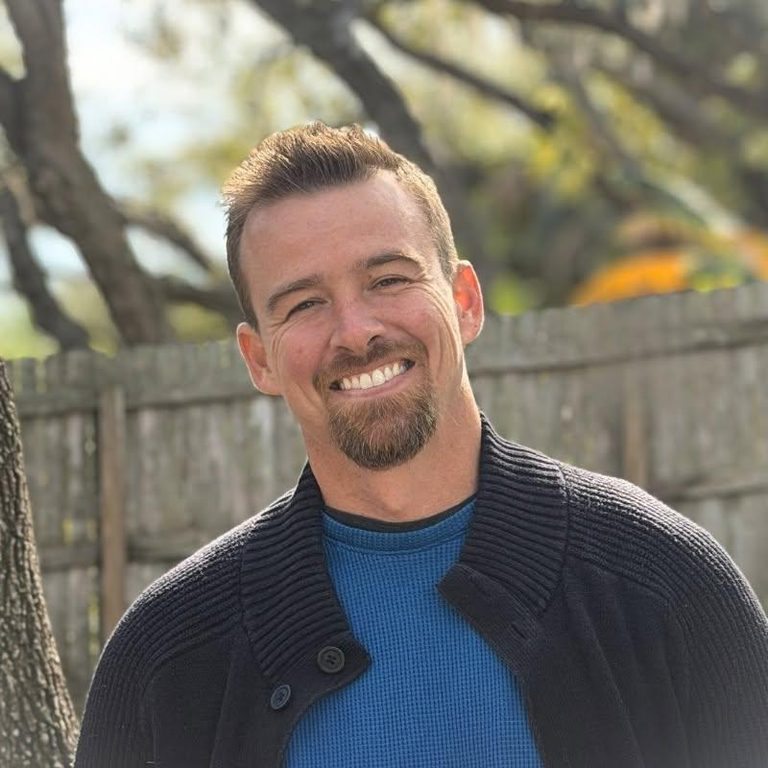
"This rideshare partnership meets survivors exactly where they are — literally," said Marcus Wilson, CASA Pinellas board vice chair. "You can order a ride in autonomy, and autonomy is everything to a survivor."
Wilson, whose mother survived domestic violence, described her navigating bus schedules and expensive taxi fares just to make court dates after leaving an abusive situation — the kind of friction Hope Rides is designed to eliminate.
Why Pinellas County needs this
Pinellas County ranks fifth out of Florida's 67 counties for domestic violence rates. Between 2015 and 2020, the county recorded 47 domestic violence homicides and 38,273 reported incidents. In fiscal year 2024-25 alone, CASA's 24-hour hotline answered 7,994 calls, and its Family Justice Center served 1,620 adults and children.
The Family Justice Center model puts legal aid, law enforcement, counseling, and medical services under one roof, reducing how many places and people a survivor must navigate alone. Even so, CASA estimates that without transportation support, a survivor in the first 45 days after an incident may need to travel 20 separate times, retell their story 17 times, and miss 53 hours of work.
"It's one thing to know that a resource is there, but if you can't get to it, what good is it?" said Lariana Forsythe, CEO of CASA Pinellas County Family Justice Center.
Catherine Johnson, CEO of Alliance for HOPE International, said the program addresses one of the most overlooked barriers to safety.
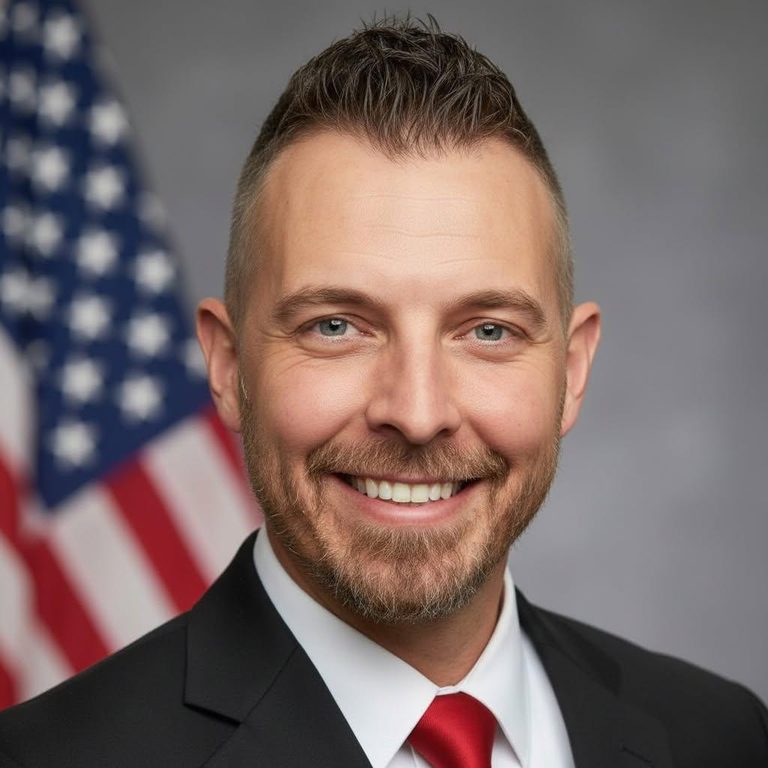
"Oftentimes when survivors are at a pinnacle of a crisis, they feel like they have no options," Johnson said. "Transportation is one of the biggest barriers. So in 2025, we started a national partnership with Uber to offer Hope Rides — rides for survivors to be able to access the life-saving resources offered from a family justice center."
How it works
Survivors don't need the Uber app, or even a smartphone, to use Hope Rides. Staff at CASA request rides on a survivor's behalf through a centralized dashboard, removing barriers for those without smartphones or data plans. The support extends beyond transportation, too: through Uber Eats, the center can send meals, diapers, or basic necessities to families in crisis.
CASA also operates a satellite office in Clearwater that opened in 2024, providing housing advocacy and injunction-for-protection legal services to north-county survivors connected to the same organization.
"Having this Uber grant means that we've just removed a significant barrier for a good part of the population so they can get in and get those quality services that will likely save their life," Forsythe said.
A national model
Nationally, Hope Rides has grown steadily since its July 2025 launch, logging more than 3,000 rides and 30,000 miles by its one-year mark. Uber committed more than $250,000 in ride credits at launch to 15 Family Justice Centers in nine states, with additional funding supporting the expansion to 30 centers across 17 states in 2026 — CASA among them.
Meghan Casserly, Uber's director of public policy for safety, said the partnership reflects the company's broader commitment to addressing gender-based violence.
"Addressing gender-based violence is core to our approach to safety, and we are focused on building a platform where women feel in control," Casserly said. "Our partnership with Alliance for HOPE has made clear that transportation can be a real barrier to care."
Across the country, Family Justice Center staff report that the ride credits have reduced missed appointments and increased survivor engagement — evidence that a single reliable ride can be the difference between a survivor reaching help and missing it entirely.
Getting help
The CASA Family Justice Center is located at 1011 First Ave. N., St. Petersburg, and is open Monday through Friday, 9 a.m. to 5 p.m. Walk-ins are accepted. CASA's 24-hour hotline can be reached at (727) 895-4912.




.jpg)