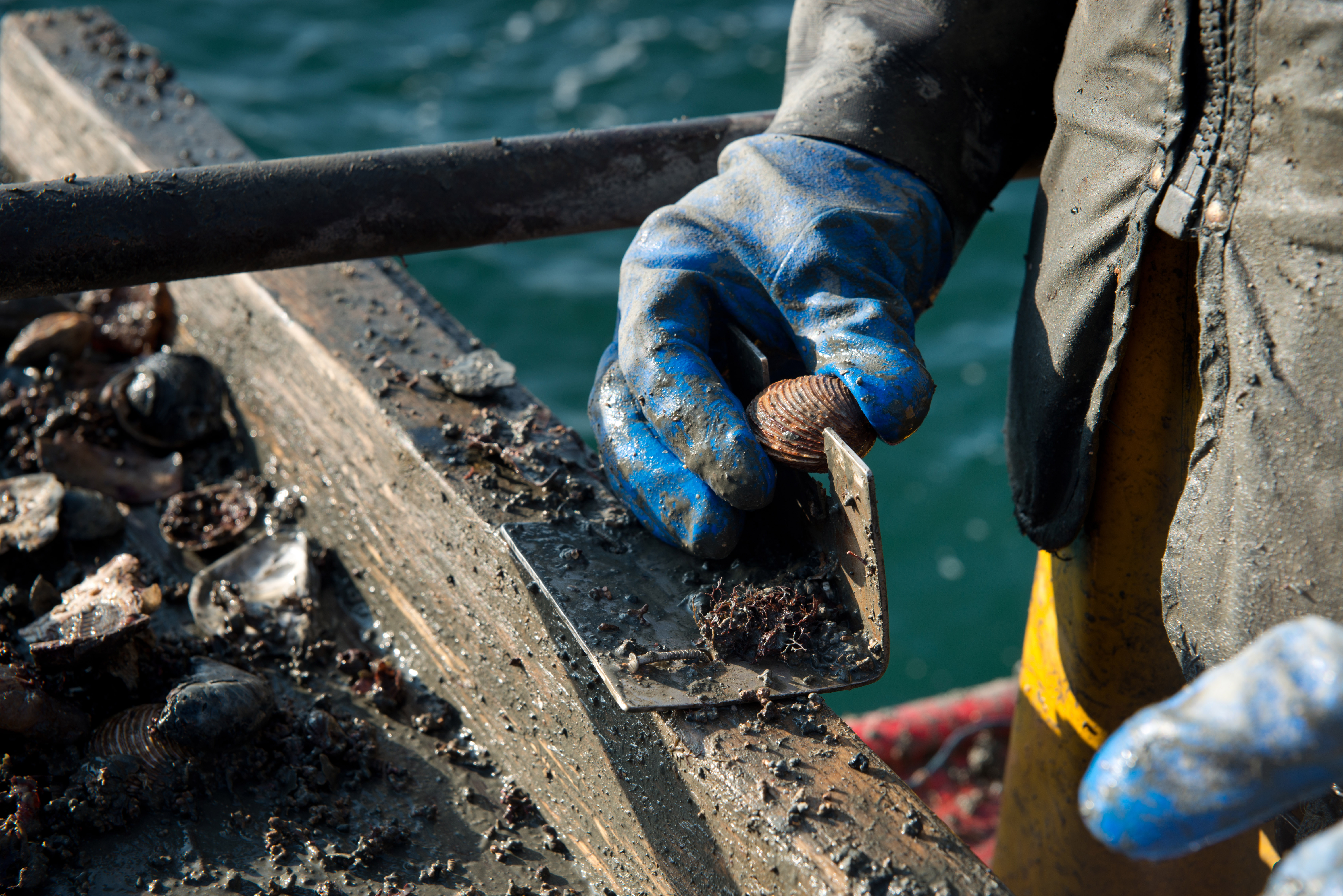
Volunteers searching Clearwater Harbor, St. Joseph Sound and other Tampa Bay waters found 263 bay scallops during the 31st Annual Great Bay Scallop Search on Saturday, Aug. 1. That's a sixfold increase from the 43 scallops counted during the 2025 search, and it ties the 15-year high reached in 2024.
Tampa Bay Watch, the Tierra Verde-based nonprofit that organizes the search, called the result "the highest scallop population count in 15 years" in a Facebook announcement posted Saturday.
The count spans search zones at Dunedin Causeway in St. Joseph Sound/Clearwater Harbor, Middle and Lower Tampa Bay, Boca Ciega Bay and Emerson Point Preserve. A site-by-site breakdown for local waters has not yet been released.
Weather forced a last-minute format change. Tampa Bay Watch announced that forecasted conditions led it to cancel the in-person gathering and shift to a self-guided citizen science effort, with volunteers completing their underwater surveys independently rather than launching together from designated sites. All registration spots across four launch points — Fort De Soto Park, Grandview Park, Dunedin Causeway and Emerson Point Preserve — had filled before the event, according to Tampa Bay Watch's website.
The annual search is Tampa Bay Watch's longest-running community monitoring program, organized in partnership with the Tampa Bay Estuary Program and Pinellas County Environmental Management. Snorkelers, kayakers and boaters fan out across designated sites to count live scallops, and the data feeds a publicly accessible dashboard maintained by the Tampa Bay Estuary Program.
Richard Radigan, Tampa Bay Watch's oyster shell program manager, said in a July 22 preview of the event that the search gives "citizens a hands-on opportunity to see what makes our bay so special" while collecting data used to monitor the bay's health.
Bay scallops are considered "underwater canaries" because they thrive only in clean water with healthy seagrass beds. The species vanished from Tampa Bay in the early 1960s when pollution from dredging and industrial waste degraded the ecosystem. Decades of water-quality improvements have allowed scallops to return, though counts swing year to year depending on red tide, storms and rainfall. The all-time record remains 674 scallops, set in 2009; the lowest was a single scallop in 2005.
Serra Herndon, Tampa Bay Watch's habitat restoration director, said in July that an abundance of scallops signals balanced ecosystems, healthy seagrass and good water clarity. An adult bay scallop can filter more than 90 gallons of water per day.
Tampa Bay Watch has not announced when full 2026 site-by-site data will be published or when the 2027 search will be scheduled. Residents can follow updates at tampabaywatch.org.




.jpg)