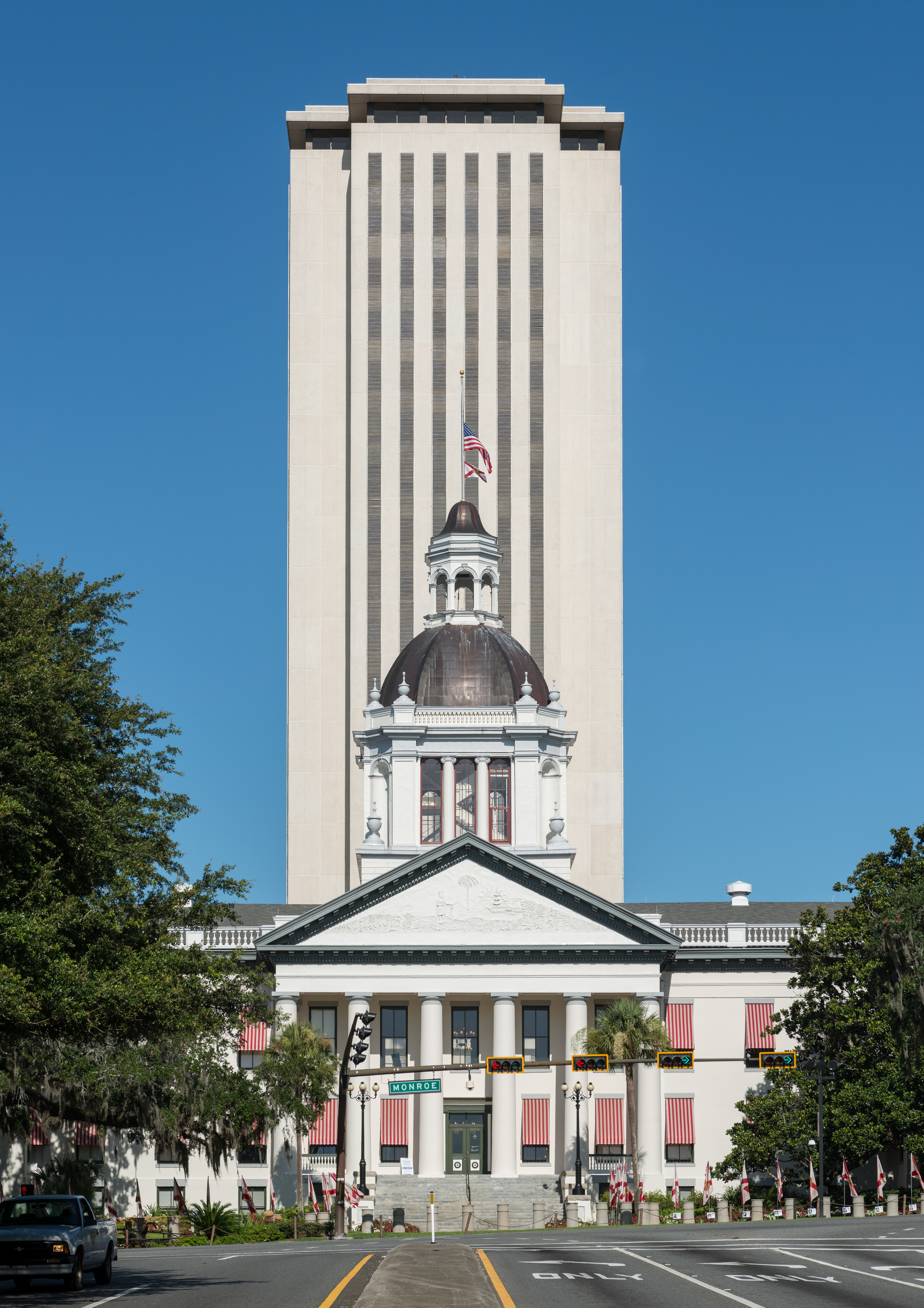
Florida can continue enforcing its restrictions on social media accounts for children younger than 14 after a federal appeals court ruled Wednesday, Oct. 14, that the law likely meets constitutional requirements.
The decision affects families across Florida, including those in Clearwater and the rest of Pinellas County, where children younger than 14 are prohibited from holding accounts on covered social media platforms. Teenagers ages 14 and 15 must obtain parental consent.
A unanimous three-judge panel of the 11th U.S. Circuit Court of Appeals reversed and vacated portions of a lower court's preliminary injunction against the 2024 law, known as HB 3. The ruling allows enforcement to continue while the constitutional challenge proceeds in federal court in Tallahassee.
The appeals court had already temporarily halted the injunction in November 2025, allowing Florida to begin enforcement before Wednesday's decision.
What Florida's social media law requires
Gov. Ron DeSantis signed HB 3 in March 2024 following bipartisan support in the Legislature, including from state Rep. Michele Rayner, D-St. Petersburg.
The law applies to qualifying social media platforms that use features such as infinite scrolling, push notifications, autoplay videos, visible engagement metrics and livestreaming.
Covered platforms must prevent children younger than 14 from creating accounts and terminate existing accounts held by users in that age group. Users ages 14 and 15 may create accounts with parental consent.
The restrictions do not amount to a complete ban on viewing social media content. Instead, they limit account ownership on platforms meeting the law's criteria.
For Pinellas County families, the ruling means the state's age restrictions remain enforceable, although the litigation could produce further changes.
Judges find restrictions likely constitutional
The Computer & Communications Industry Association and NetChoice, two technology industry trade groups, challenged HB 3, arguing that it violated the First Amendment rights of social media companies and their users.
A federal district judge initially granted a preliminary injunction, finding the law likely unconstitutional.
In its Oct. 14 opinion, the appeals court reached a different conclusion.
"We hold that HB3 is likely constitutional as applied to CCIA's members," Judge Kevin C. Newsom wrote.
Judges Robert J. Luck and Gerald Bard Tjoflat joined the decision.
The panel determined that the law regulates platforms based on their features rather than the content of their users' speech. Although the restrictions implicate First Amendment rights, the judges found they likely satisfy the applicable constitutional standard.
Newsom described the measure as a conditional restriction on platforms using certain features and algorithms rather than an outright prohibition on social media access.
The court also rejected the industry groups' broader constitutional challenge because they had not demonstrated that the law's unconstitutional applications substantially outweighed its permissible applications.
The ruling addressed the preliminary injunction, not the final constitutionality of the statute.
Technology groups consider further legal action
Industry representatives criticized the decision, warning that age-verification requirements could restrict access to lawful online speech.
CCIA President and CEO Matt Schruers said the ruling "grants the government considerable power to manage how its citizens access information, based on Florida's unsubstantiated claims about addiction," according to the Florida Phoenix.
Paul Taske, director of the NetChoice Litigation Center, said the organization was evaluating its legal options.
The groups maintain that the restrictions infringe on free-expression rights and could require identity verification for users beyond the affected age groups.
Florida officials have defended the law as a measure intended to protect children from potentially addictive social media features.
Attorney General James Uthmeier began enforcing the restrictions after the appeals court stayed the preliminary injunction in November 2025. The state also filed a separate enforcement lawsuit against Snapchat parent company Snap Inc. in 2025.
The case, Computer & Communications Industry Association and NetChoice v. Uthmeier, No. 25-11881, returns to the U.S. District Court for the Northern District of Florida for further proceedings.
For now, Florida's restrictions remain enforceable, although additional court proceedings could determine their long-term future.





.jpg)