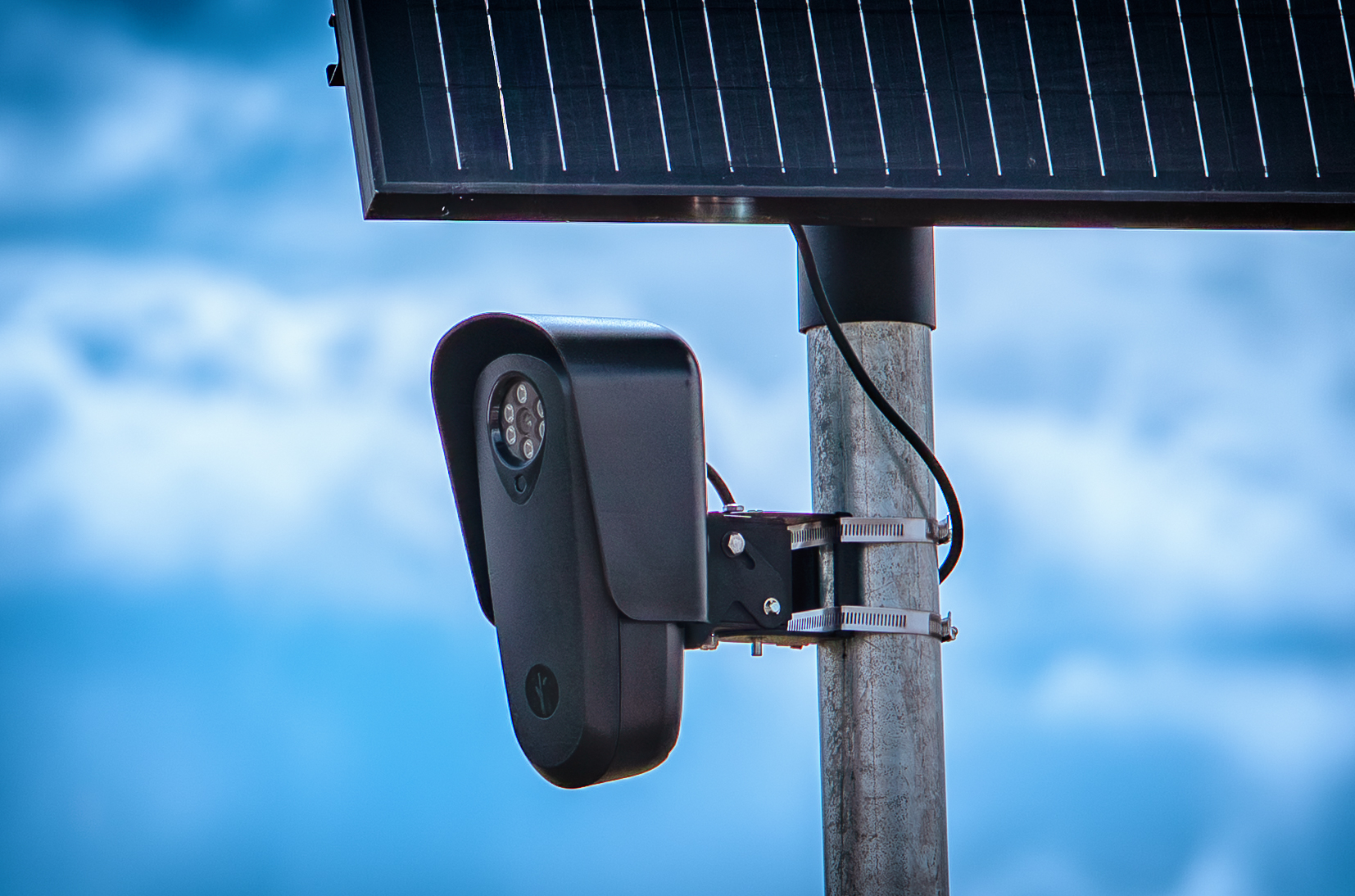
Flock cameras and other automated license plate readers will stay on Pinellas County roads for now.
Pinellas County commissioners did not formally vote on a proposed ban at their Tuesday, Oct. 27, meeting. Instead, they agreed after discussion to wait for the Florida Legislature to set statewide regulations before taking local action, the Tampa Bay Times reported. The ban was listed in the new business portion of the agenda, where commissioners discuss possible new resolutions.
The decision followed a direct exchange between Commissioner Chris Latvala and Pinellas County Sheriff Bob Gualtieri. Latvala asked Gualtieri what he would do if the commission voted to ban the cameras.
"I'll just move them. Put them up somewhere else," Gualtieri said with a shrug, according to the Tampa Bay Times.
Gualtieri said restricting cameras on county roads would simply push them to other locations. He pointed to cameras along Interstate 275 that were relocated after Gov. Ron DeSantis' administration ordered automated license plate readers (ALPRs) removed from Florida Department of Transportation rights-of-way, according to St. Pete Catalyst reporting.
"All this is doing is squeezing it from the left hand to the right," Gualtieri said, according to St. Pete Catalyst.
There are just under 300 fixed, stationary ALPR cameras across Pinellas County, Gualtieri said at the meeting. The Sheriff's Office also uses license plate reading technology in about 560 patrol cars, according to the Tampa Bay Times.
Why commissioners hit pause
Commission Chair Dave Eggers said the desire for statewide consistency drove the decision to wait. Tampa Bay 28 reported that Eggers said the commission should "let the state set policies and then revisit it."
Gualtieri said he has spoken with state lawmakers and expects the Legislature to take up ALPR regulation in its next session. He said he would support whatever action Tallahassee takes, according to St. Pete Catalyst.
The cameras stay. For now.
Latvala said if the Legislature does not act, the commission could revisit the issue. "If the legislature doesn't work, we can return to this in May …" Latvala said, according to St. Pete Catalyst.
Commissioner Vince Nowicki, who floated the ban this summer, pushed back on the delay. "It's interesting that folks agree something needs to get done, but nobody wants to do anything," Nowicki said, according to Tampa Bay 28.
Privacy concerns and misuse
The cameras have drawn growing public scrutiny from residents worried about government tracking. Those concerns intensified in September when a former Pinellas County sheriff's deputy was arrested after allegedly using a license plate reader database hundreds of times to track a woman, according to St. Pete Catalyst.
Tarpon Springs resident Paul Merola spoke at the meeting. "There's no doubt in my mind that they can be used for good, but when I see other sheriffs and other law enforcement agencies and other commissions ending their programs, it tells me it's not a 100% slam dunk," Merola said, according to Tampa Bay 28.
Commissioner René Flowers said she did not support a ban but wanted tighter rules on when the readers can be used and data accessed, according to the Tampa Bay Times.
Pinellas County pays $287,000 annually to Flock as part of its camera network, WFLA reported during an Oct. 8 workshop on the issue.
Commissioners plan to discuss their legislative priorities at a meeting next month, according to Tampa Bay 28.