A former Pinellas County sheriff's deputy was arrested Thursday, Nov. 5, after investigators accused him of using law enforcement databases to track his estranged wife and her boyfriend.
Ronald Scott, 35, allegedly searched for personal information about his wife, her boyfriend and other family members more than 100 times between Feb. 14 and June 19, according to the Pinellas County Sheriff's Office.
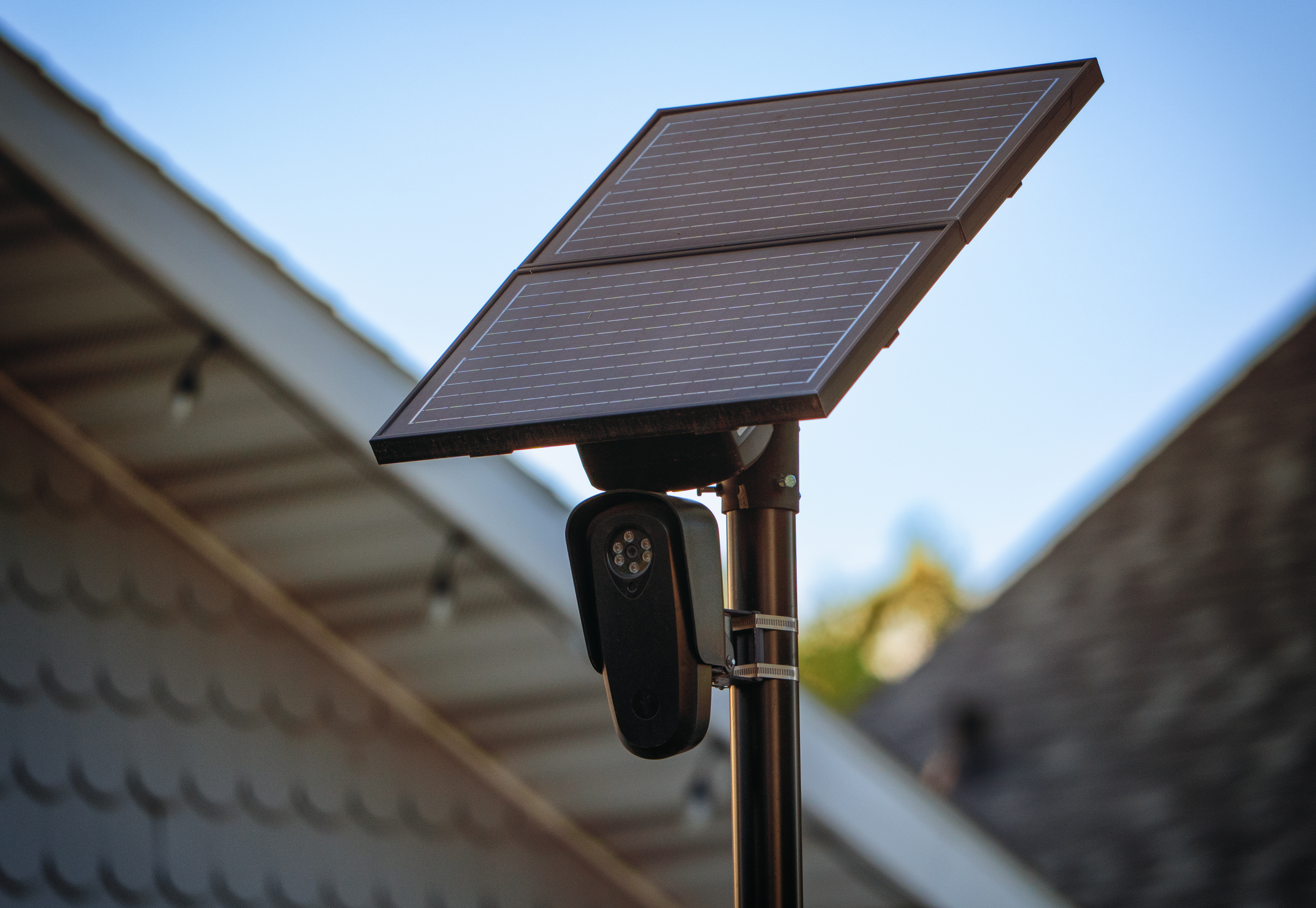
Investigators said Scott used the agency's Flock automatic license plate reader system and other restricted databases for personal purposes. Sheriff Bob Gualtieri said Scott falsely identified the searches as law enforcement inquiries.
Scott resigned Nov. 4 and was arrested the following day. He faces three felony counts of accessing a computer or electronic device without authority and one count of official misconduct.
According to Spectrum Bay News 9, Gualtieri said the searches largely stopped after Scott's divorce was finalized. The sheriff suggested personal emotions during the divorce may have motivated the alleged misconduct.
The investigation followed enhanced auditing procedures developed by the Sheriff's Office and Flock to identify suspicious patterns of database use.
Gualtieri said his agency has completed a historical review of its license plate reader searches and believes the latest arrest represents the last previously undetected instance of misuse.
Earlier deputy faces no prosecution
Scott's arrest is the third involving Pinellas County deputies accused of misusing restricted law enforcement databases in recent months.
The new case emerged as prosecutors declined to pursue charges against another former deputy, Karl Gwynne, who was arrested Sept. 30.
Gwynne was accused of using law enforcement databases to obtain information about a woman he wanted to date. Investigators identified 381 searches across five databases, including approximately 300 license plate reader queries.
The Tampa Bay Times reported Nov. 5 that Pinellas-Pasco State Attorney Bruce Bartlett declined to prosecute Gwynne, citing limitations in existing Florida law.
Bartlett wrote in a court filing that current statutes did not address the reported misconduct. His office indicated it would seek legislative changes to address the gap.
The decision raises questions about how Florida's existing computer-access laws apply to law enforcement officers accused of using authorized database access for improper personal purposes.
Separate case involving former deputy continues
The earlier arrests also included former deputy Travis Stanton, whose investigation involved a different set of allegations.
According to the Sheriff's Office's Sept. 30 announcement, investigators accused Stanton of improperly accessing confidential databases to obtain information about a 17-year-old girl and her family.
Stanton resigned during the investigation. His case did not involve license plate reader searches, according to subsequent reporting.
The Tampa Bay Times reported Nov. 5 that prosecutors were proceeding with harassment-related and stalking charges against Stanton.
Debate over license plate readers continues
The arrests have added to questions about oversight of automatic license plate reader systems in Pinellas County.
Gualtieri has defended the technology while acknowledging the need to detect employees who misuse confidential information.
At an October discussion organized by the Police Executive Research Forum, Gualtieri argued that employee misconduct was not unique to license plate readers. Other speakers raised concerns about privacy, data retention and safeguards against improper searches.
Pinellas County commissioners have separately considered restrictions on Flock cameras operating on county roads. They postponed action Oct. 27 while awaiting possible statewide regulations.
The Sheriff's Office says it will continue monitoring database use through enhanced auditing procedures.
The allegations against Scott have not been adjudicated, and his arrest does not establish guilt.