St. Pete-Clearwater airport plans $60 million parking garage as terminal expansion takes shape
St. Pete-Clearwater International Airport is preparing to build an approximately $60 million parking garage next to its terminal, with construction expected to start in January 2027.
Airport Director Mark Sprague laid out the project at a Florida Economic Club gathering Wednesday, Nov. 4, at Voodoo Brewing Co. in St. Petersburg, as first reported by St. Pete Catalyst. The garage would add more than 2,000 parking spaces and is expected to be finished by spring 2028.
Parking has been a persistent complaint. PIE reached parking capacity during the July 4 holiday in 2025, according to WUSF. The airport warned travelers in June to arrange drop-offs instead of driving themselves, Tampa Bay Beacons reported.
Pinellas County is designing the garage on the airport's Strawberry parking lot, according to WUSF.
Terminal expansion still on the drawing board
Beyond the garage, Sprague said the airport is exploring conceptual designs for a terminal that would eventually accommodate 4.5 million to 5 million passengers. The current terminal can serve about 3 million, St. Pete Catalyst reported.
PIE served 2,794,067 passengers in 2025, a record and a 14% increase over 2024, according to the airport's January 2026 passenger report.
Once conceptual drawings are finished, the first phase would be an approximately 40,000-square-foot expansion with four jet bridges, according to St. Pete Catalyst. No construction timeline has been set for that phase.
The terminal plans represent a scaled-back approach. An earlier expansion was projected at about $210 million, but the airport had roughly $110 million available, airport spokesperson Michele Routh told Tampa Bay Beacons in August. Leaders paused the earlier designs and shifted toward modernizing the existing terminal, with improvements preliminarily estimated to cost about $145 million.
Short-term fixes, long-term questions
Sprague said the airport will address what he called "inefficiencies" in the short term. Updates to seating, wayfinding signage, roofing and lighting are planned, St. Pete Catalyst reported. Airport leaders are also investigating long-term strategies for new infrastructure such as taxiways.
Although owned and operated by Pinellas County, PIE does not rely on county tax revenue for its operations, Sprague said. The airport generates income through user fees, airline charges, lease rentals and concessions, and also receives federal and state grants for improvement projects. All projects are fully funded before work begins, he said.
Sprague began his tenure as director in March after serving as deputy director and interim director at PIE. His aviation career spans 25 years, including time as a pilot for Comair and Spirit airlines, according to a PIE announcement.
Allegiant partnership anchors growth
The expansion plans come alongside a renewed partnership with Allegiant Air, PIE's primary carrier. Pinellas County commissioners unanimously approved a new five-year operating agreement in September. That deal is expected to generate $22.8 million for the airport through 2031, about $8.6 million more than the previous agreement, according to WUSF.
Allegiant began service at PIE in late 2006 with 12 nonstop routes. The airline has since expanded its network considerably, with the airport reporting 63 nonstop destinations in February 2026.
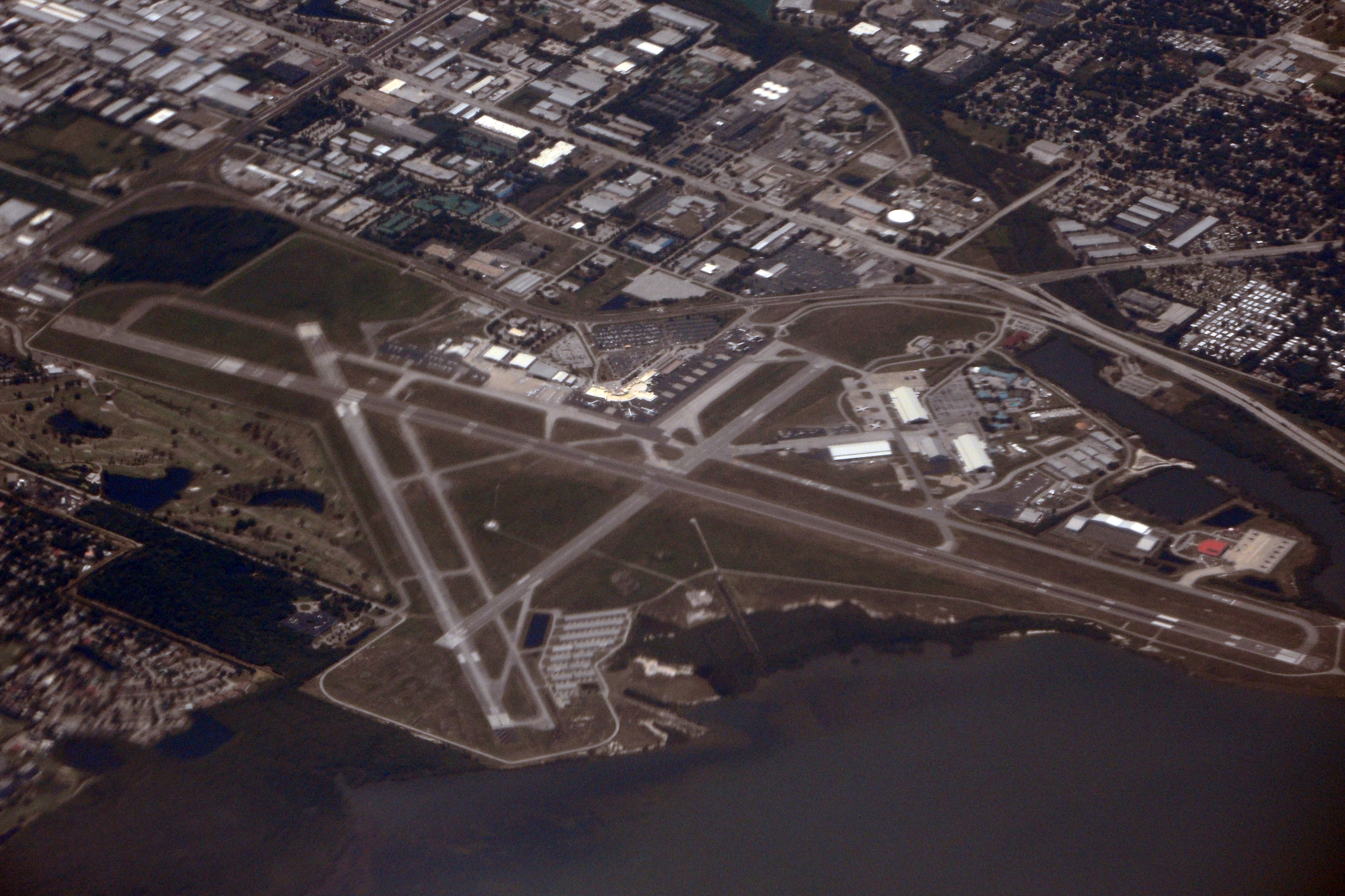
The airport sits on about 2,000 acres, with roughly 1,000 in active use. Sprague pointed to two undeveloped parcels: a 128-acre former golf course called the Airco site, where about 32 acres are planned for aeronautical use, and a roughly 10-acre former Turtle Club site. Both are under evaluation for future development, St. Pete Catalyst reported.