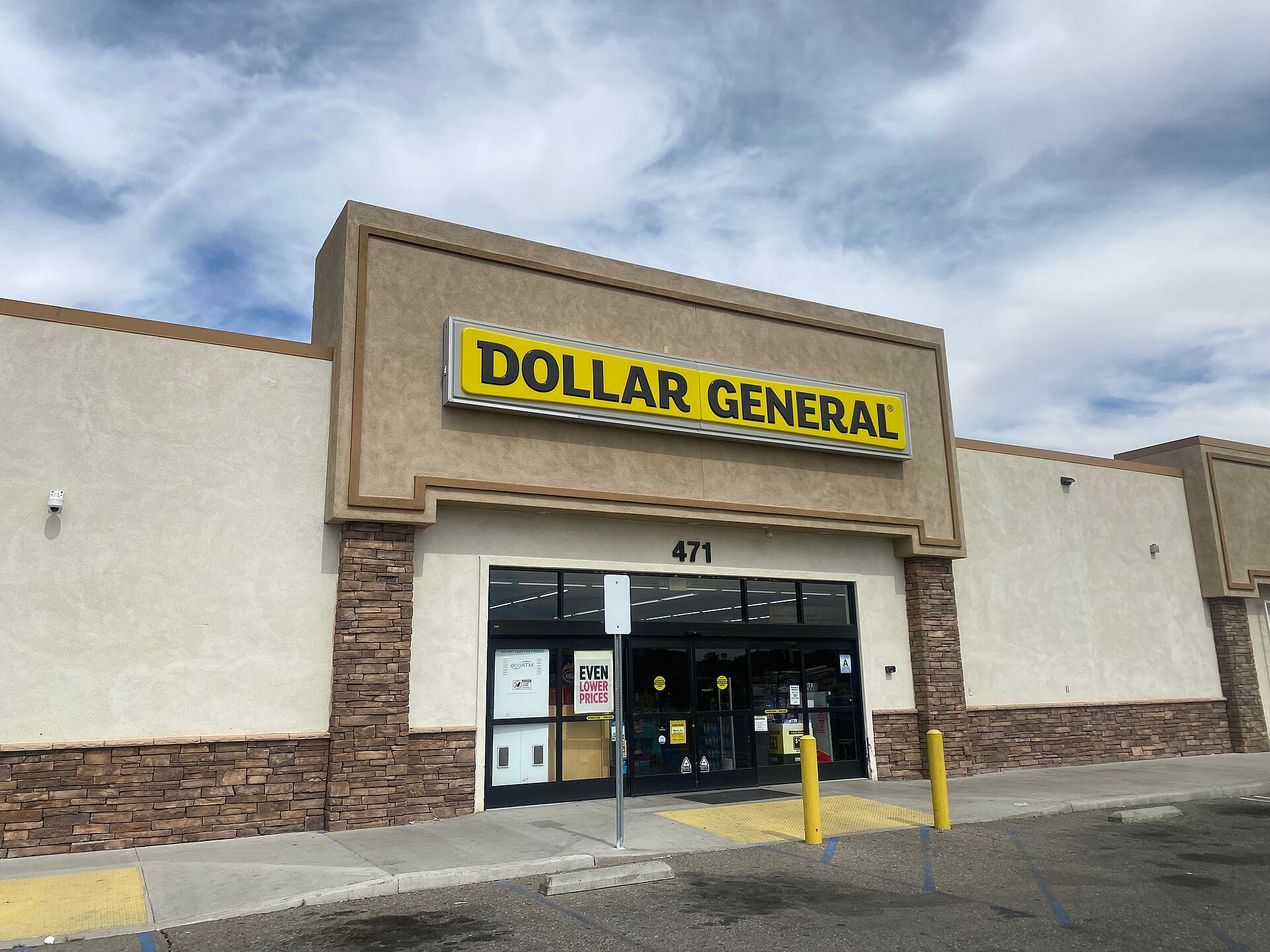
The Federal Trade Commission's lawsuit against Dollar General has expanded to 30 states, with 10 additional states joining allegations that the retailer routinely charged shoppers more at checkout than advertised prices.
The FTC and its state partners allege the discount chain repeatedly charged customers more at the register than prices displayed on shelves, tags and advertisements. The additional states joined through an amended complaint filed Friday, Nov. 20, in U.S. District Court for the Middle District of Tennessee, according to the FTC's official announcement.
The new states are Delaware, Georgia, Kentucky, Maine, Minnesota, New Mexico, Oregon, Rhode Island, South Carolina and South Dakota. The FTC and 20 states first sued in October. The FTC voted 2-0 to authorize the amended filing.
What the lawsuit alleges
The amended complaint accuses Dollar General of years of deceptive pricing practices. The company received at least 29,265 complaints categorized as "Did Not Honor Marked Price" from January 2023 through March 2026, according to the amended complaint. Those complaints came from all 48 states where the chain operates.
That figure represents complaints recorded under a category, not a count of proven overcharges.
The complaint also alleges that between 2019 and 2026, Dollar General entered nine settlements with eight state attorneys general and consumer protection agencies over inaccurate pricing, making payments totaling more than $13 million.
The plaintiffs allege Dollar General violated the Federal Trade Commission Act, the Gramm-Leach-Bliley Act and state consumer protection laws. They are seeking court orders to stop the alleged practices and monetary relief.
Who shops at Dollar General
Dollar General operates more than 21,000 stores nationwide, according to the Minnesota Attorney General's Office. About 80% are in towns with populations of 20,000 or fewer, according to the complaint. The complaint also states that households earning $35,000 or less account for 60% of the company's revenue.
Minnesota Attorney General Keith Ellison, whose office announced it was joining the lawsuit Nov. 20, said Dollar General has at least 226 stores in Minnesota, most in rural communities.
Dollar General's response
Dollar General said in an Oct. 26 statement that it would "defend this litigation vigorously." The company said occasional pricing discrepancies can occur despite its policies and that store employees are instructed to correct errors for customers.
The company also said it had cooperated with the FTC's investigation, providing documents, data and sworn testimony. Dollar General said the FTC sent a draft complaint and settlement offer in September, and that the company submitted a monetary counteroffer before the lawsuit was filed.
Dollar General disputed the FTC's assessment of the alleged pricing discrepancies and said the agency's monetary demand far exceeded the company's assessment of the issue.
Missouri settles separately
Missouri reached a separate $5.3 million settlement with Dollar General over similar pricing allegations, according to the Missouri Attorney General's Office. The agreement calls for $2.3 million to be paid to the state and $3 million to Feeding Missouri.
Under the settlement, independent auditors will check prices at nearly 600 Dollar General stores in Missouri over two fiscal years. Dollar General disputed Missouri's allegations.
Missouri is not among the 30 states participating in the FTC lawsuit.
The original 20 states
The states that joined the FTC in the original October complaint are Alabama, Arizona, Arkansas, California, Connecticut, Florida, Illinois, Iowa, Kansas, Louisiana, Michigan, Mississippi, Nebraska, New Jersey, North Carolina, Ohio, Oklahoma, Tennessee, Utah and Wisconsin.
What shoppers can do
Shoppers who believe they were charged more than a posted price can report suspected deceptive pricing to the FTC at ReportFraud.ftc.gov. The agency uses consumer reports to identify possible patterns of misconduct but does not resolve individual complaints.
Consumers can also contact their state attorney general's office or raise a pricing discrepancy directly with store employees.
The amended complaint seeks court orders and monetary relief. The allegations have not been proven in court.